Objects of Desire
Pear wood, copper chains and a composer’s cradle: the sound of Tuscany
The Teatro del Maggio’s pear-wood hall, Puccini’s birthplace in Lucca and the festival by his lake.
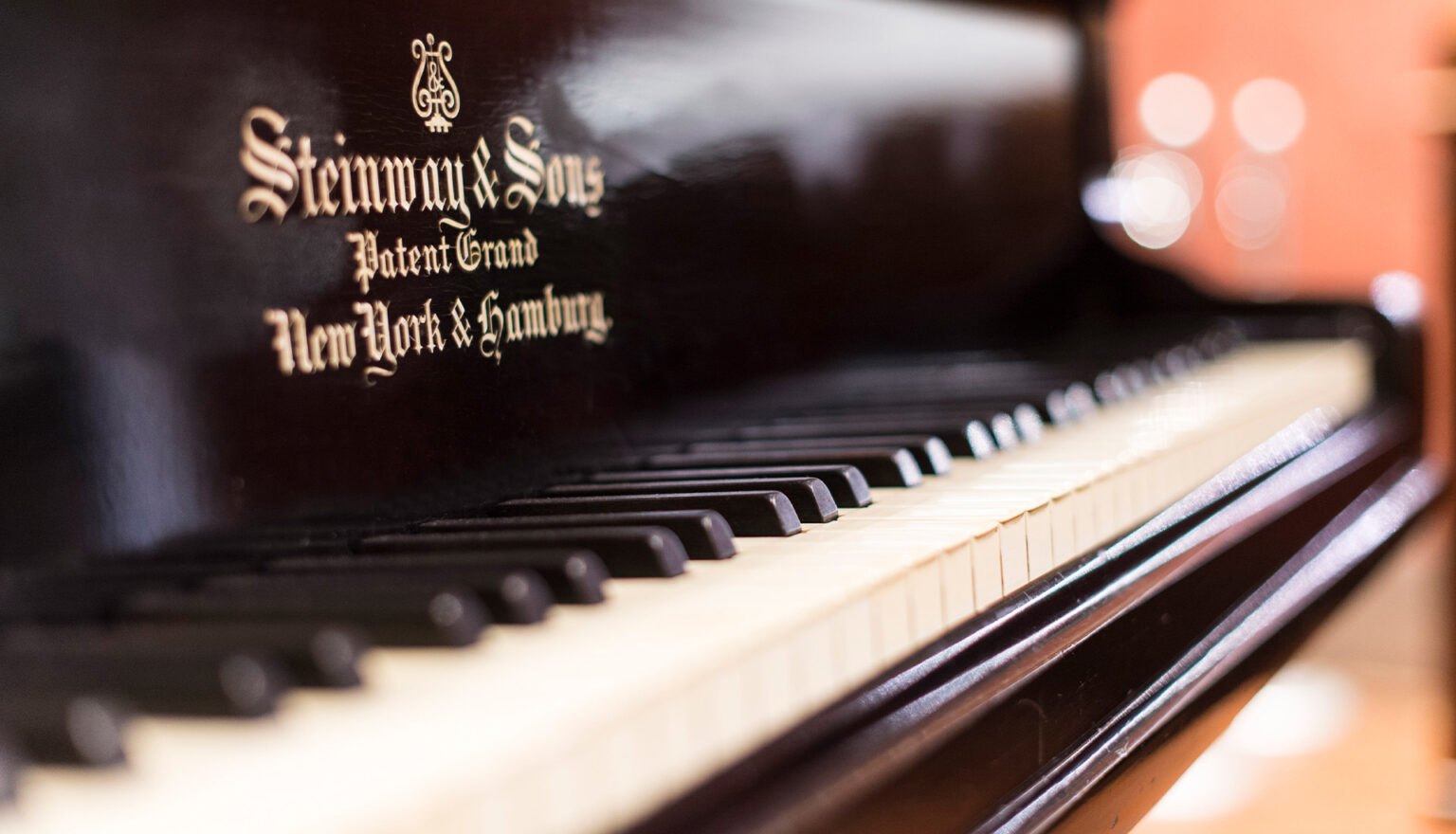
Photo Credit
Image courtesy of © Puccini MuseumOpera was born in Florence, so it seems only fair that the city should have built itself one of Italy’s newest great halls, lined like an instrument. From the Teatro del Maggio’s pear wood and copper chains to the house in Lucca where Puccini was born and the open-air festival at Torre del Lago, here is how Tuscany listens, checked against the venues’ own pages in November 2026.
A hall built like an instrument
The Teatro del Maggio stands where the old centre of Florence meets the Parco delle Cascine, a modern house for the art form the city claims to have invented. Designed by the architect Paolo Desideri of the ABDR studio, it opened on 21 December 2011 with Beethoven’s Ninth Symphony, conducted by Zubin Mehta, and is now the permanent home of the Maggio’s orchestra and chorus.
Inside, the main hall seats 1,800 in stalls, boxes and gallery. Its walls are covered in pear wood for the acoustics, and a dense network of thin copper chains helps carry the sound without distortion, which makes the Sala Grande, in effect, the largest instrument in the orchestra. Above it rises a stage tower 35 metres high.
Two more rooms work alongside it: an open-air auditorium for 2,000 and the Zubin Mehta Hall, opened exactly ten years after the main hall, whose capacity moves between 500 and 1,000. Mehta, who first came to the city in 1962, observed that the wood will improve with age. Few buildings are commissioned on the understanding that they will sound better in twenty years.
This month the Sala Grande is playing Verdi’s Simon Boccanegra, conducted by James Conlon and directed by Àlex Ollé of La Fura dels Baus, with performances on 18, 22 and 24 November 2026; the Auditorium has Mendelssohn under Conlon on 21 November and Mozart rarities with Christophe Rousset on 28 November. The season pages also list Offenbach’s Les contes d’Hoffmann with Kent Nagano and Laurent Pelly.
The house in Corte San Lorenzo
West of Florence, in Lucca, the Puccini Museum occupies the house where Giacomo Puccini was born on 22 December 1858. He was baptised there the next day, with special permission, and given the names of all his musical ancestors: the family had settled in Lucca in the first half of the 18th century and made music there for generations. Few babies have arrived with quite so much expected of them.
He lived the happy years of his childhood here, until his father Michele died on 23 January 1864, and then his adolescence and early youth, while his mother Albina saw to the education of all her children. The rooms where he learned are now the museum’s, which may explain why it feels less like a shrine than a house where somebody has just stopped practising.
The walls are lined in pear wood, which makes the Sala Grande, in effect, the largest instrument in the orchestra.
In winter the museum opens from 10am to 2pm Monday to Thursday and from 10am to 5pm Friday to Sunday, closed on Tuesdays and on Christmas Day; from 26 December to 6 January it opens daily from 10am to 5pm. Buy your ticket first at the shop on Piazza Cittadella, a few steps from the entrance in Corte San Lorenzo.
Why does Tuscany listen so well? Partly because it builds for sound as carefully as for sight: wood chosen like an instrument’s, a birthplace kept as a working house. And partly because opera, here, is local news; the composer is a neighbour, and the theatre is where the city goes to argue about him.
Opera by the lake
Each summer the Festival Puccini stages his operas in the open air at Torre del Lago, by the lake where he lived; the 2027 festival is the 73rd. It is the rare opera house where the scenery includes real water and a real sunset, and both have been known to upstage the tenor.
Our advice: book the Maggio for an evening in the Sala Grande and sit in the centre stalls to hear what the pear wood does; take the train to Lucca for Puccini’s birthplace on a winter afternoon, when the town is quiet; and plan Torre del Lago for summer, with a jumper for the last act.
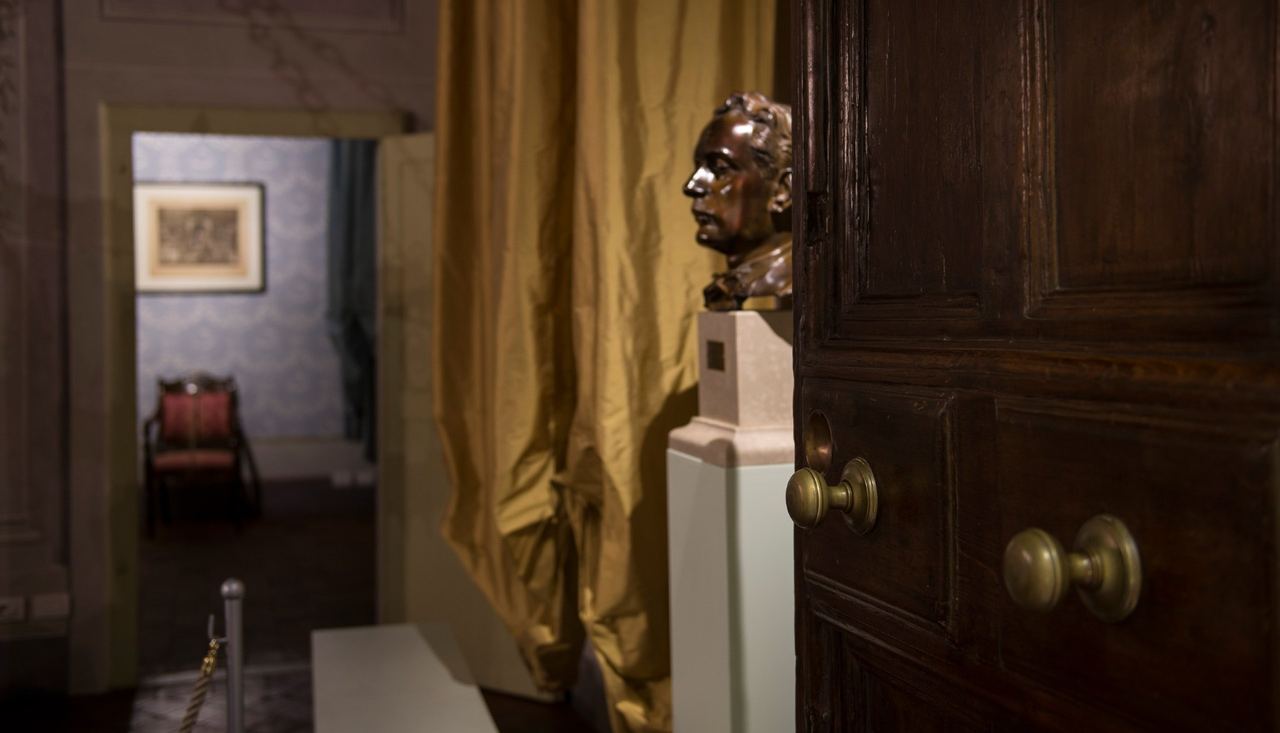
Photo Credit
Image courtesy of © Puccini MuseumWhy it's on our list
- A hall built like an instrument
- The house in Corte San Lorenzo
- Opera by the lake
Location
The map comes from Google Maps, which sets its own cookies once it loads.
More in depth
 Objects of DesireTwo telescopes and a finger: the gadgets that changed the skyGalileo’s two surviving telescopes, the lens that found Jupiter’s moons, and a famous finger.
 Objects of DesireA corridor over the river and a villa for princesses: Tuscany’s great housesThe reopened Vasari Corridor, Villa Reale di Marlia, Villa Bardini and a winery built into Chianti.
 Objects of DesireEqual parts, one count: the Negroni and the bars that pour itThe Negroni as the IBA writes it, Campari’s Florentine origin story and where to drink one.