Objects of Desire
A corridor over the river and a villa for princesses: Tuscany’s great houses
The reopened Vasari Corridor, Villa Reale di Marlia, Villa Bardini and a winery built into Chianti.

Photo Credit
Image courtesy of © Martin Falbisoner · CC BY-SA 3.0 via Wikimedia CommonsTuscany’s grandest houses were built for people who did not wish to meet anyone on the way to work. From the Medici’s private corridor over the Ponte Vecchio, open again, to the villa near Lucca reshaped on the model of Malmaison and a winery of 2012 that hides in the Chianti hills, here are the buildings worth the detour. No prices, only architecture; checked against official pages in November 2026.
The commute above the crowd
In 1565 Giorgio Vasari built the Medici a private passage about 750 metres long, so that they could cross between Palazzo Vecchio and Palazzo Pitti undisturbed and without running any risk to their safety. The Vasari Corridor runs through the Uffizi, over the shops of the Ponte Vecchio and down to the Boboli Gardens: the most elegant way ever devised of avoiding the neighbours.
Closed in 2016 to bring it up to modern safety standards, it has been fully restored and is open again with a special ticket. The route is one way only: you enter through the Uffizi, walk over the river and leave through the Boboli Gardens, so the Uffizi lets you in two hours early to see the galleries first. Bookings are required, and visitors meet at Room D19 on the first floor five minutes before their slot, or lose it.
A villa remade for a princess
West of Florence, near Lucca, the Villa Reale di Marlia has been reinvented by almost every owner it has had. The Orsetti family, who bought it in 1651, laid out the baroque park that still holds its Green Theatre and Lemon Garden, and built the Clock House with its loggia. In 1806 it passed to the Napoleonic princess who governed Lucca, who chose it as her residence and took Malmaison, near Paris, as her model.
The house gained empire-style interiors, now restored, and new statues and pots of white Carrara marble in the park. In 1923 it was bought by Anna Laetitia Pecci Blunt, the patron known as Mimì, who restored villa and gardens and filled them with guests: Igor Stravinsky, Francis Poulenc and Alberto Moravia among them. It is a house that has always preferred an audience.
The park rewards a slow walk. Beyond the formal gardens lie Pan’s Grotto, a swimming pool, the Bishop’s Villa and an Orthodox chapel, and both the Villa Reale and the Clock House now hold museums. A scented trail runs through it all, which seems only right for a garden that has been rearranged for every new owner’s taste.
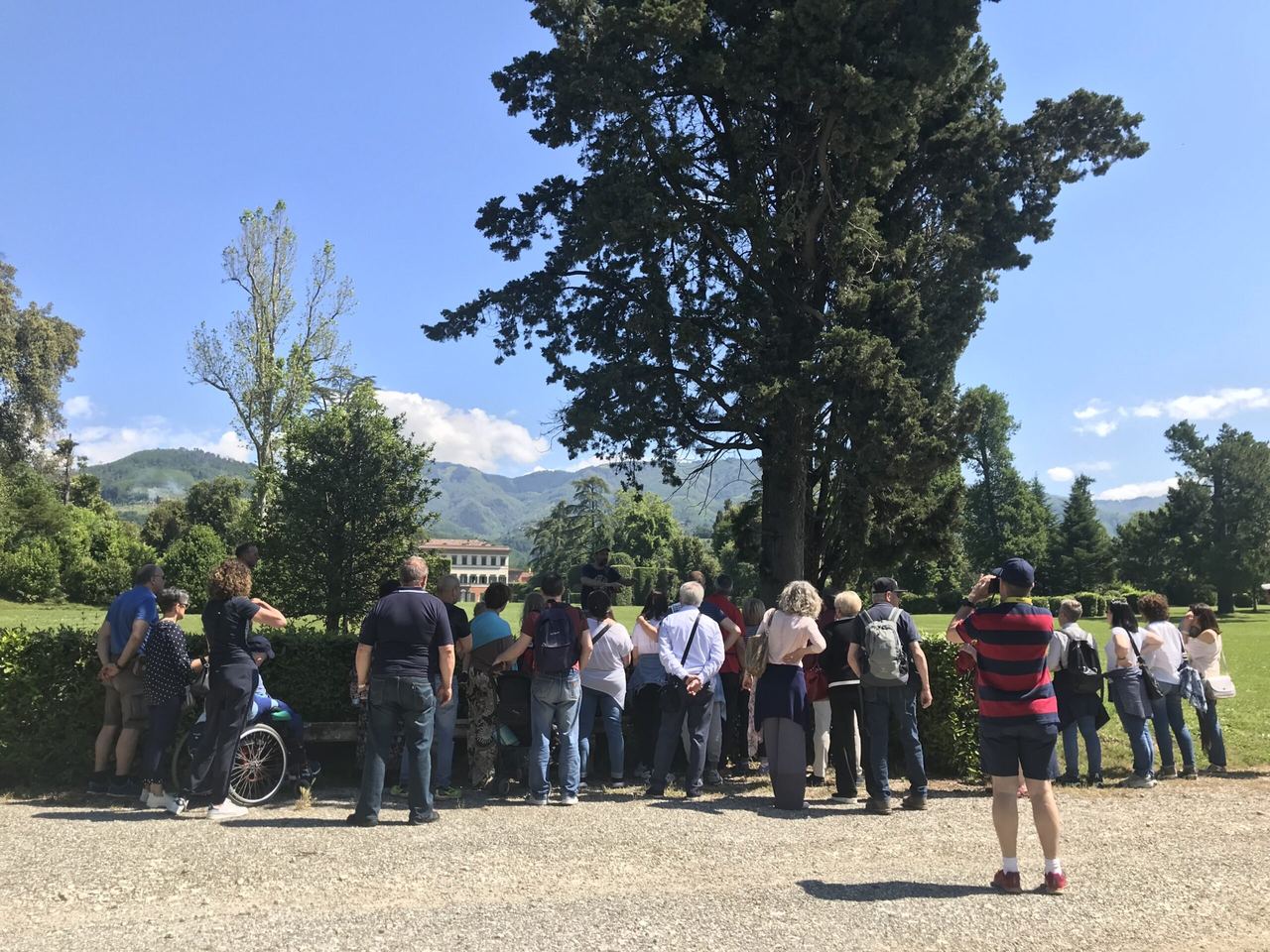
Photo Credit
Image courtesy of © Villa Reale di MarliaGardens and a new cellar
Back in Florence, Villa e Giardino Bardini, on Costa San Giorgio in the Oltrarno, has become, thanks to two Florentine foundations, a museum, a cultural centre and a garden open to all. From 1 December 2026 the villa shows “Viaggio in Oriente”, a retrospective of the National Geographic photographer Michael Yamashita.
The Medici built themselves a private commute above the crowd; for a ticket, you can now take it too.
For new architecture, drive south to Bargino. Antinori nel Chianti Classico, the Antinori family’s winery, was inaugurated in October 2012, built entirely with locally sourced materials and designed for low environmental impact and energy saving. Its architect, Marco Casamonti, called it “a sacred place of silence”; it belongs to Toscana Wine Architecture, an association of wineries by contemporary architects.
The family has always mixed wine and art. Its crest was designed at the beginning of the 1500s by the Florentine sculptor Giovanni della Robbia, and the Antinori Art Project, which brings contemporary artists to the estate, was set up as soon as the new winery was finished. Even the cellar, in other words, came with a commission.
What links a Medici corridor, a princess’s villa and a modern cellar? Each is a private world laid over a public landscape: a passage above a bridge, a park behind a gate, a winery folded into a hill. Tuscany has always built for privacy and shown it off anyway, which may be the most Italian contradiction of all.
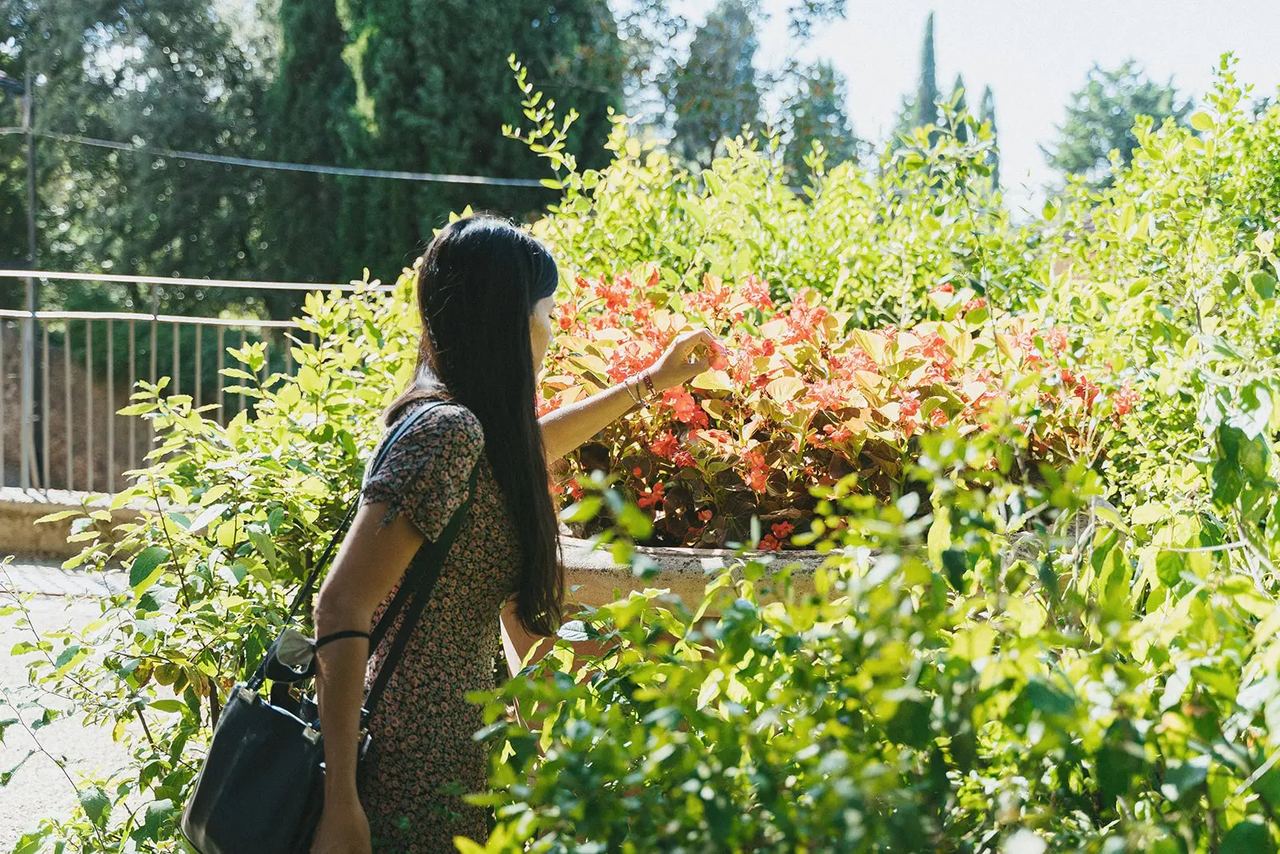
Photo Credit
Image courtesy of © Villa e Giardino BardiniOur advice: book the Vasari Corridor as soon as your dates are fixed, and give the Uffizi its two hours before; take a whole afternoon for Marlia’s park; and book a cellar visit at Bargino ahead, then let someone else drive back.
Why it's on our list
- The commute above the crowd
- A villa remade for a princess
- Gardens and a new cellar
Location
The map comes from Google Maps, which sets its own cookies once it loads.
More in depth
 Objects of DesireEqual parts, one count: the Negroni and the bars that pour itThe Negroni as the IBA writes it, Campari’s Florentine origin story and where to drink one.
 Objects of DesireLess parked than crouched: the electric Jaguar and the new supercarsJaguar’s Type 00 and Type 01, Ferrari’s first electric car and the record-breakers around them.
 Objects of DesireFerrari’s green circuit: bees, kerbs and 5,245 metres of MugelloThe Mugello Circuit: an unchanged layout, Ferrari’s test track, 120,000 bees and your own track day.