Objects of Desire
Equal parts, one count: the Negroni and the bars that pour it
The Negroni as the IBA writes it, Campari’s Florentine origin story and where to drink one.
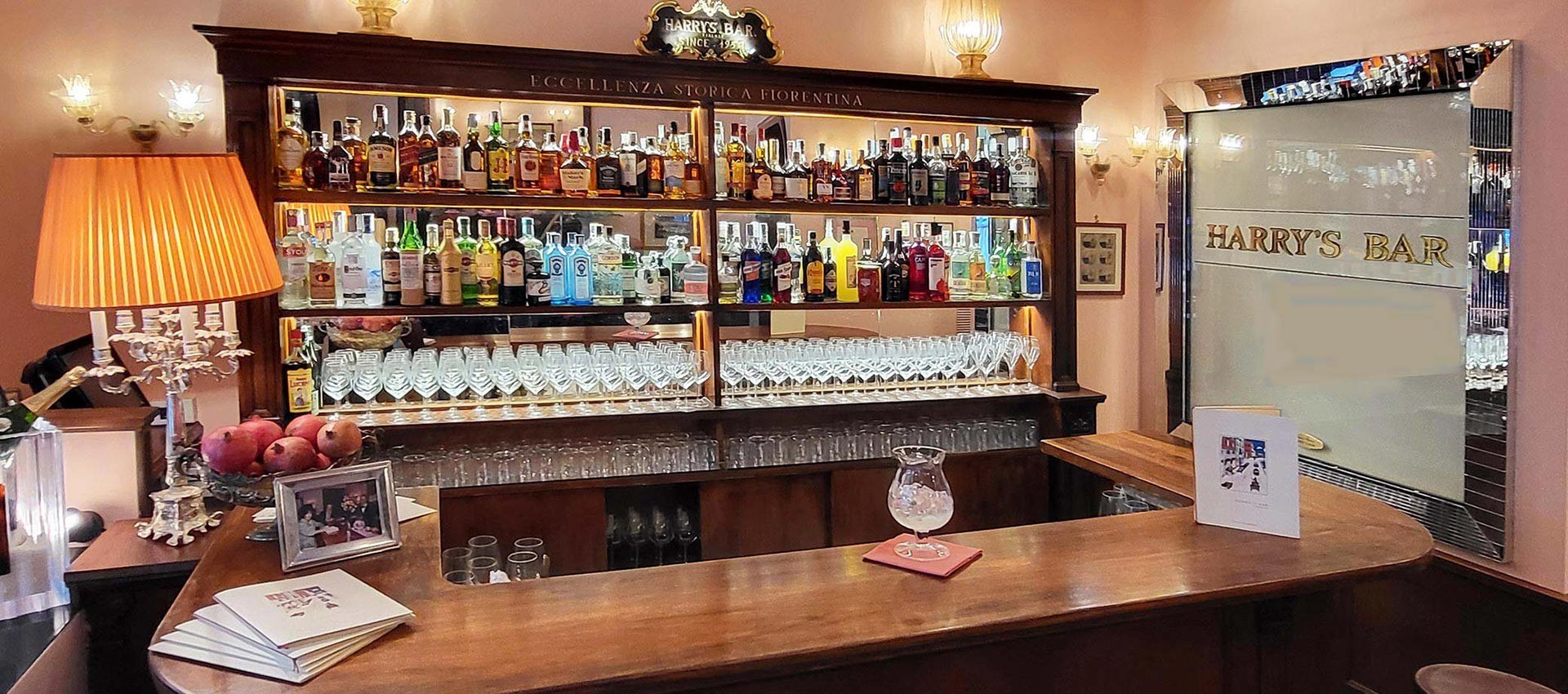
Photo Credit
Image courtesy of © Harry’s Bar FirenzeFlorence gave the world opera, the Renaissance and, according to Campari, the Negroni: an Americano made stronger in 1919 for a count who wanted more than soda. Here is the recipe exactly as the International Bartenders Association writes it, the story as the brand tells it, and the Florence bars that keep the drink company, checked against official pages in November 2026.
A count’s request
What makes a cocktail Florentine? In the Negroni’s case, impatience. According to Campari’s own account, the drink was created in 1919 at the Café Casoni in Florence, when Count Negroni asked the barman, Fosco Scarselli, to strengthen his favourite cocktail, the Americano, by replacing the soda water with a splash of gin. The barman added an orange slice instead of the usual lemon twist, and a classic was born.
The story is told with the caution it deserves, as something the drink “is said to have” begun with, and it has served the city well. In June 2019, for the centenary, Campari and the city of Florence unveiled a plaque to mark a hundred years of the Negroni. Few cities commemorate a bar order; Florence, having commemorated almost everything else, made room.
The recipe, exactly
The International Bartenders Association lists the Negroni among its “unforgettables”, and its recipe is a model of brevity: 30 ml gin, 30 ml Bitter Campari and 30 ml sweet red vermouth. Note that the bitter is named by brand, not by colour. Pour all three directly into a chilled old fashioned glass filled with ice, stir gently, and garnish with half a slice of orange.
That is the whole of the recipe, which is the point. Equal parts leave nowhere to hide: a sweet vermouth that is too sweet, or ice that melts too fast, shows at once. The bitterness is the signature, and the orange is not decoration but the last ingredient. If a bartender reaches for a shaker, you are watching a different drink. Measure it, too: the eye is a poor bartender after the first round.
Where to drink it
Harry’s Bar Firenze, an American bar and restaurant since 1953, now on Via il Prato west of the centre, offers the Negroni alongside the Bellini as part of its aperitivo, in a room of wood, lamplight and back-lit bottles. It closes on Mondays, and over the holidays on 25 and 26 December and on 31 December and 1 January.
Behind the bar there is more than the bar. Harry’s keeps a garden restaurant, The Garden, on the same street, which it describes as the most exclusive garden in the city, and a new pastry shop for the daytime. It is a Florentine institution that has learned, over seven decades, to open every door it has.
It is a drink of three equal parts, invented, the story goes, because one man found the fourth part, soda water, unequal to the task.
By the river, Hotel Lungarno’s Picteau Bistrot & Bar and the rooftop bars of the Lungarno Collection look over the water by the Ponte Vecchio; some are seasonal, so check with each hotel before you go. For a glass of wine instead, Le Volpi e l’Uva on Piazza dei Rossi in the Oltrarno opens from Monday to Saturday, 11am to 9pm, and takes bookings by telephone only.
The origin story, it should be said, is one strand among several; the drink’s early years left little paperwork, and the brand’s own telling is careful to say “is said to”. But the city has adopted it, the plaque is up, and nobody in Florence will thank you for raising doubts at the bar.
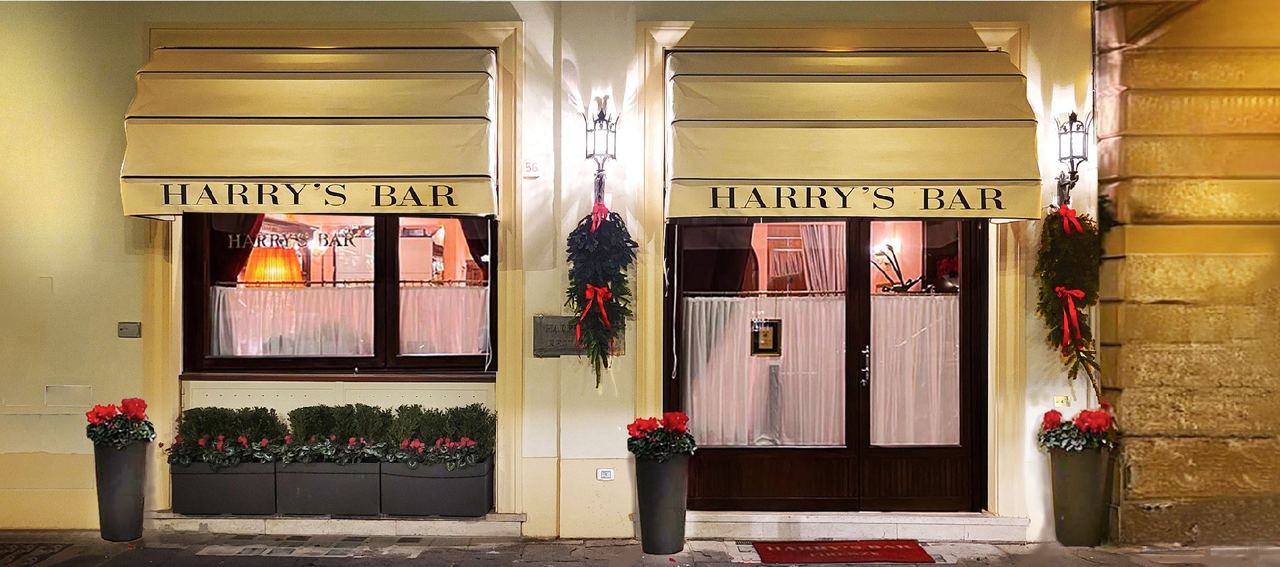
Photo Credit
Image courtesy of © Harry’s Bar FirenzeWhy has a drink of three equal parts outlived a century of fashion? Because it asks nothing of its drinker but a little patience and a tolerance for bitterness, two qualities Florence has cultivated for rather longer than a hundred years.
Our advice: order your first Negroni at the hour of the aperitivo, before dinner rather than after; ask for it as the IBA writes it before you try a house twist; and drink it slowly. It was invented to be stronger, not faster.
Why it's on our list
- A count’s request
- The recipe, exactly
- Where to drink it
Location
The map comes from Google Maps, which sets its own cookies once it loads.
More in depth
 Objects of DesireLess parked than crouched: the electric Jaguar and the new supercarsJaguar’s Type 00 and Type 01, Ferrari’s first electric car and the record-breakers around them.
 Objects of DesireFerrari’s green circuit: bees, kerbs and 5,245 metres of MugelloThe Mugello Circuit: an unchanged layout, Ferrari’s test track, 120,000 bees and your own track day.
 Objects of DesirePear wood, copper chains and a composer’s cradle: the sound of TuscanyThe Teatro del Maggio’s pear-wood hall, Puccini’s birthplace in Lucca and the festival by his lake.