The back story
Guilds, roosters and Brunello: how Tuscany drinks, the back story
Wine guilds, the Black Rooster, Brunello’s patience, Bolgheri’s rebels and Florence’s wine bars.
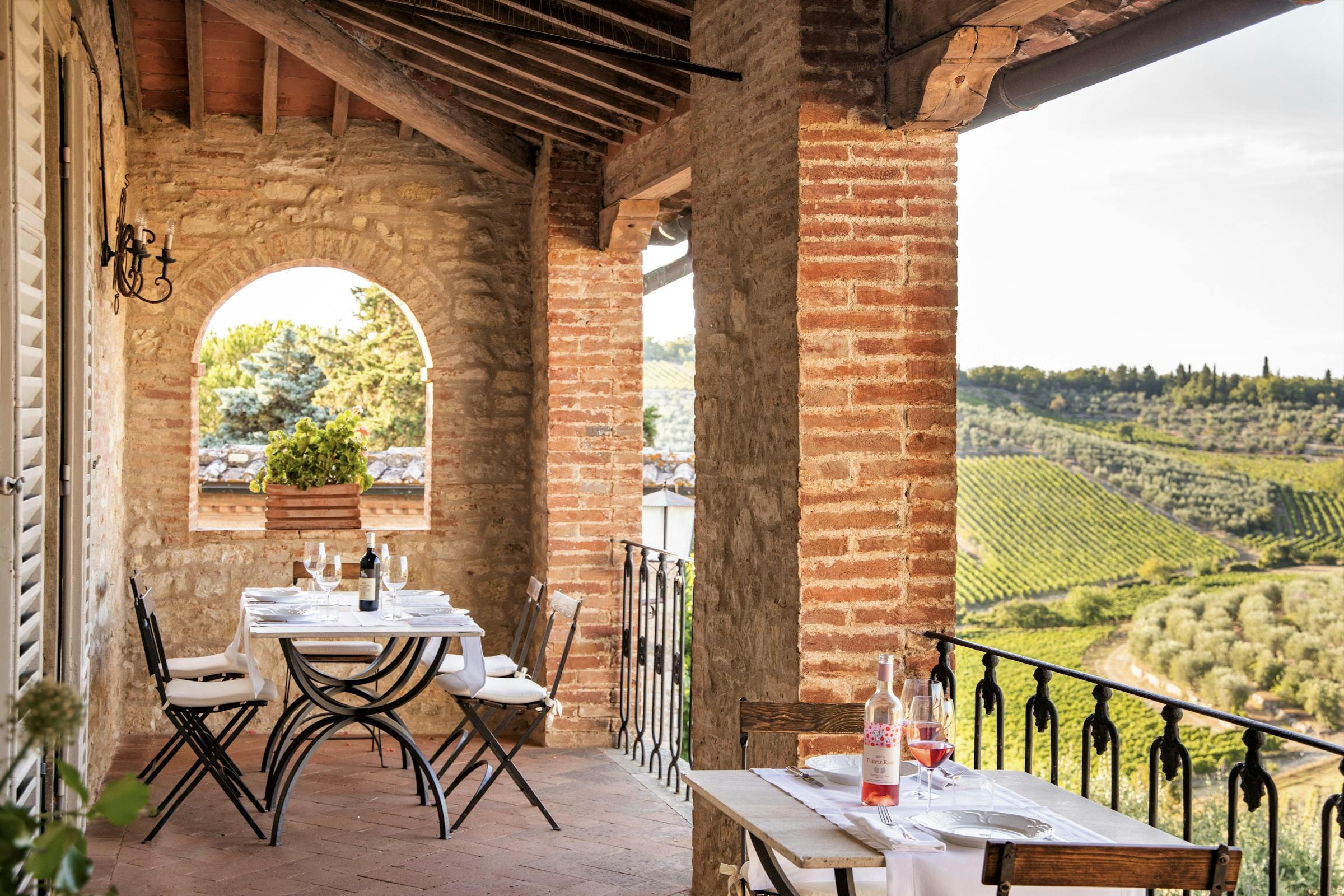
Photo Credit
Image courtesy of © Castello di AmaTuscany has sold wine since its guilds kept the books, yet it still drinks like a village: a glass at the counter, a visit to the cellar door. From the monks of Coltibuono and the Black Rooster of 1924 to Brunello’s first medal and the Cabernet that rewrote Bolgheri, here is the back story of how the region drinks, checked against the estates’ and consortia’s own pages in November 2026.
A guild before a glass
In 1385 Giovanni di Piero Antinori joined the Arte Fiorentina dei Vinattieri, the Florentine winemakers’ guild, and his family has made wine through twenty-six generations since. Tuscany, in other words, filed wine under trade long before it filed it under romance. So why does a region of famous labels still drink like a village, at the counter, at the cellar door, with whatever is open?
The answer starts in the hills between Florence and Siena. Badia a Coltibuono was founded in 1051 by Vallombrosan monks, and a document from the late 12th century, kept in the abbey’s archive, holds one of the earliest known references to the name “Chianti”. The word is older than most of the castles that now print it on their labels.
The rooster and the rules
On 14 May 1924 a group of producers met in Radda in Chianti and founded the first wine producers’ consortium in Italy. For an emblem they chose the Black Rooster, the old symbol of the Military League of Chianti. A century on, the rooster is still the emblem of Chianti Classico, a mascot that has outlasted the army it was drawn for.
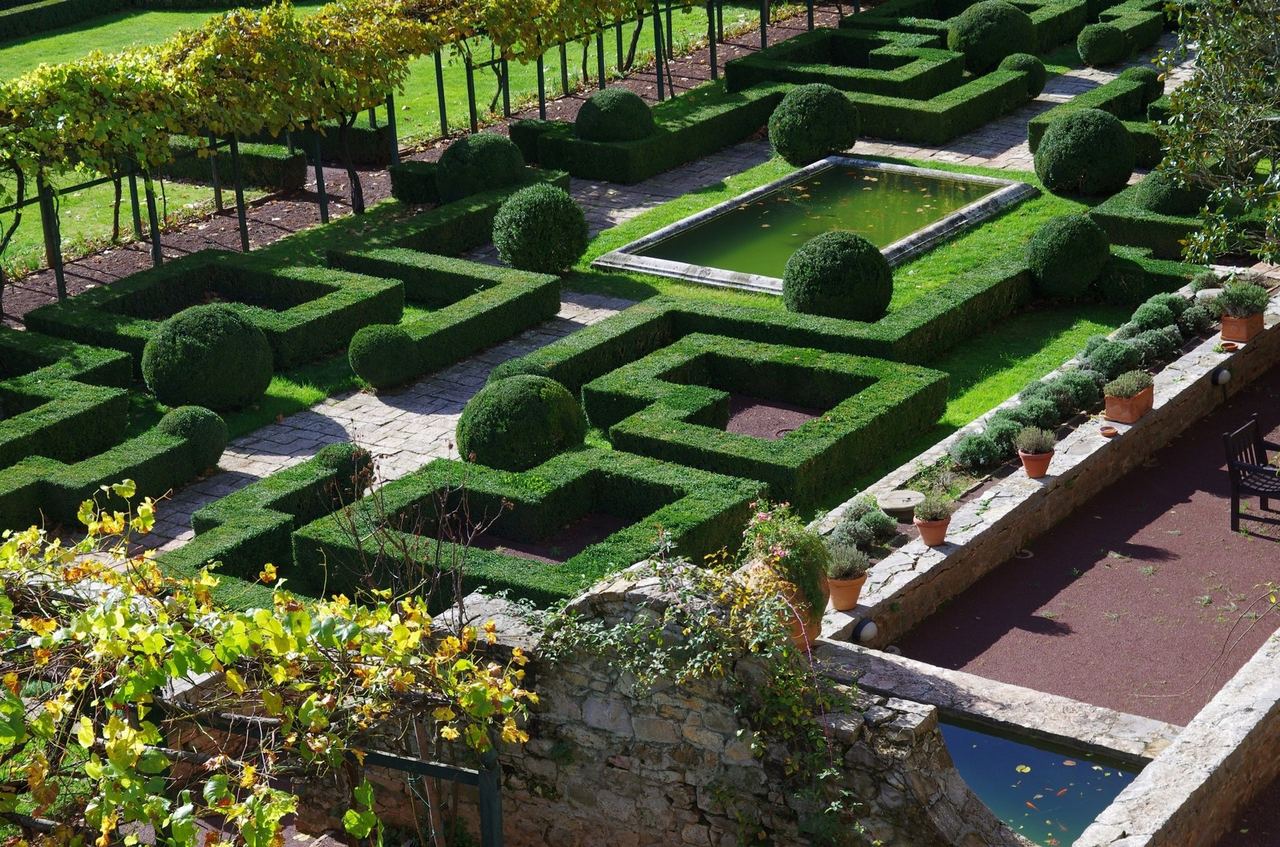
Photo Credit
Image courtesy of © Badia a ColtibuonoThe great houses keep their doors open to visitors. Castello di Brolio (Ricasoli) and Badia a Coltibuono sit near Gaiole in Chianti, Castello di Fonterutoli (Mazzei) near Castellina. At Castello di Ama the contemporary art project set out to put the artist in the role of the winemaker, so a tasting can end in front of an installation rather than a gift shop.
Then there is Antinori nel Chianti Classico at Bargino, inaugurated in October 2012 and built entirely with locally sourced materials. Its architect, Marco Casamonti, called it “a sacred place of silence”, which is a fine thing to say about a building whose job is to make wine. Next to the castles it is a newcomer; next to the family, a mere 627 years late.
Brunello’s long patience
South of Siena, Montalcino’s consortium names Clemente Santi as the founding father of Brunello: his 1865 vintage won a silver medal from the Agrarian Committee of Montepulciano in 1869. Siena’s grapevine board once reported on a Brunello made from grapes of 1843 and aged for 32 years, and found it perfectly preserved. Patience is the house style; Biondi-Santi still calls itself the founder of Brunello di Montalcino.
Tenuta San Guido’s most famous red spent its first 23 years as a private joke.
Brunello became a DOC wine in 1966, its consortium followed a year later, and in 1980 it was the first wine in Italy to become DOCG. Each November the new vintage is shown at Benvenuto Brunello: the 35th edition runs from 19 to 23 November 2026, with walk-around tastings in the Chiostro di Sant’Agostino open to the trade and to wine lovers from 21 to 23 November.
The coast that broke the rules
At Bolgheri, Mario Incisa della Rocchetta saw in his gravelly soil a likeness to the Graves in Bordeaux and in 1944 planted just over a hectare of Cabernet Sauvignon. From 1945 to 1967 the wine, Sassicaia, was kept for family and friends; the first vintage sold was the 1968. Tenuta San Guido’s most famous red spent its first 23 years as a private joke. Next door, Ornellaia brings artists into the cellar with its Vendemmia d’Artista project.
In the city
Florence keeps the habit small. Harry’s Bar Firenze, on Via il Prato since 1953, pours Bellinis and Negronis in a room of wood and lamplight. Across the river, Le Volpi e l’Uva on Piazza dei Rossi is an enoteca in the old streets south of the Ponte Vecchio; it opens Monday to Saturday from 11am to 9pm and takes bookings by telephone only.
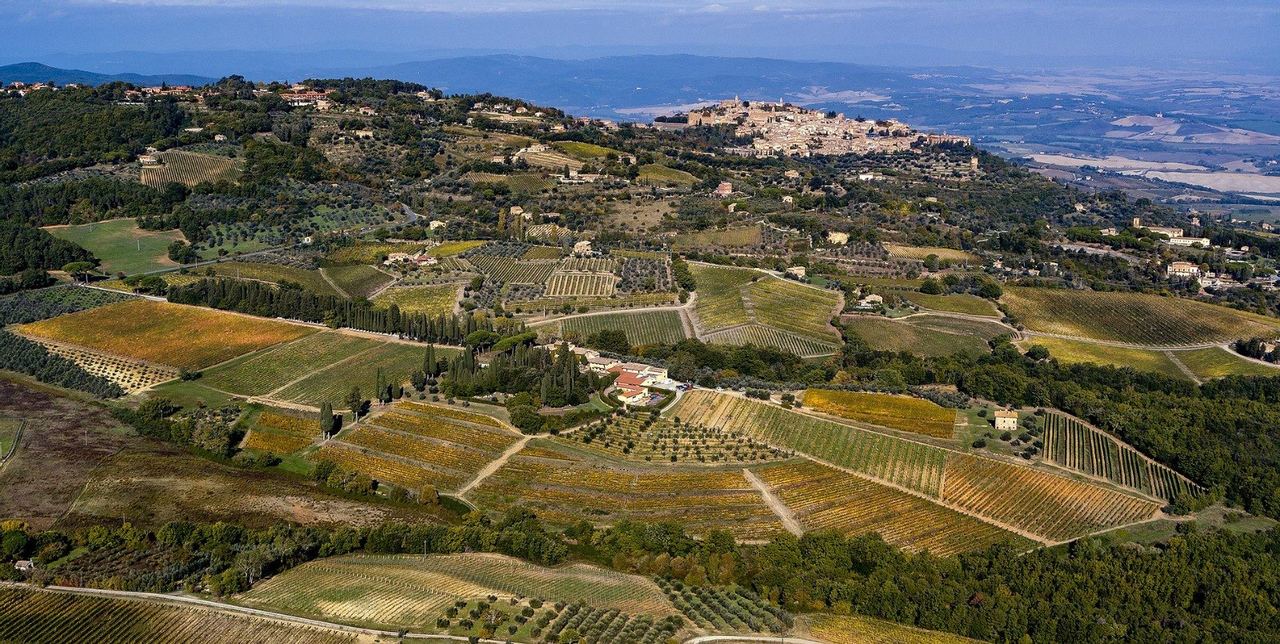
Photo Credit
Image courtesy of © Biondi-SantiOur advice: book cellar tours ahead, since the estates run them by appointment, and plan who drives before the first glass, not after the fifth. Go to Montalcino in late November for the new Brunello, to Chianti for the October harvest, and finish in Oltrarno, where a single glass at the counter says more about Tuscany than any tasting note.
Why it's on our list
- A guild before a glass
- The rooster and the rules
- Brunello’s long patience
- The coast that broke the rules
Location
The map comes from Google Maps, which sets its own cookies once it loads.
More in depth
 The back storyThe Treno Natura and Florence’s railway age: Tuscany by trainA steam train through the Crete Senesi and Florence’s station.
 History & heritageEtruscans, the Medici and the birth of Italian: Tuscany’s heritageEtruscans, the Medici and the birth of the Italian language.
 The back storyFrom the Uffizi to a winery in a Chianti hillside: Tuscany’s art and architectureFrom the Renaissance halls of the Uffizi to a winery hidden in a Chianti hillside and a 1930s tobacco factory reborn: the story of Tuscany’s art and architecture, and where to see it now.